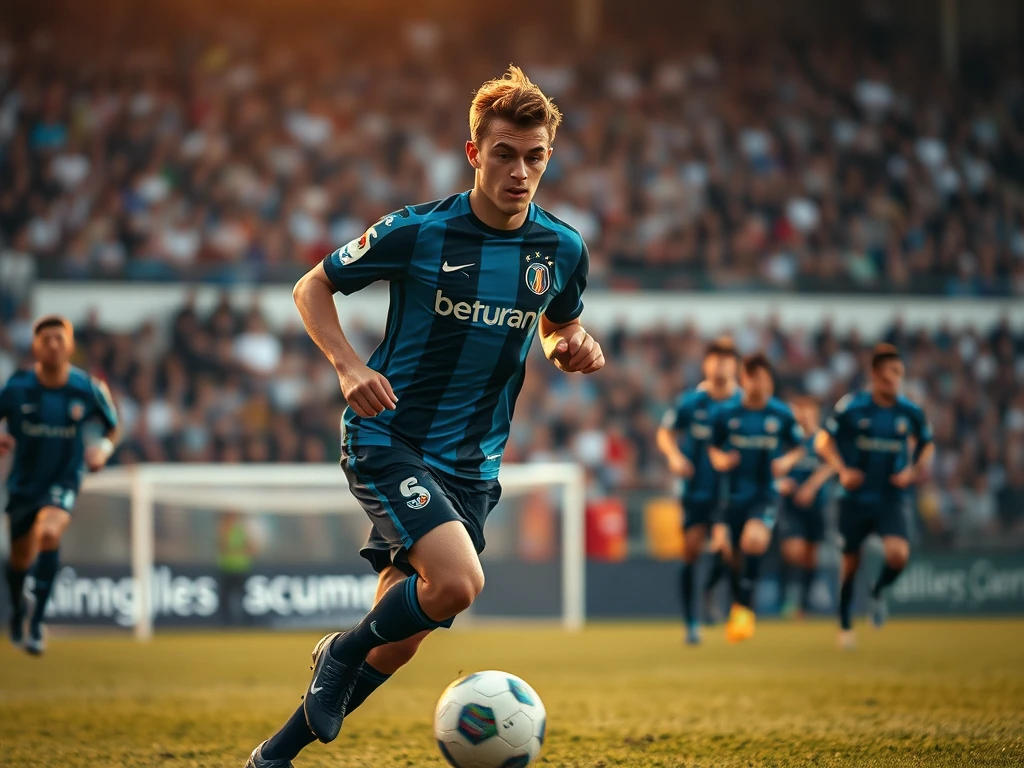
In recent weeks, Club Brugge KV has achieved a number of mixed results. While the defensive organization remains relatively solid, clear shortcomings in the attack need to be addressed.
Offensive Structure
Currently, Brugge often plays in a 4-3-3 formation. This offers wing players the room to cut inside and support the striker, but the team struggles to create a consistent flow of chances. A possible adjustment could be to switch to a 4-2-3-1 formation. This would increase creativity in midfield, providing more options for attackers to move freely.
Creativity and Movement
The current setup sometimes lacks the creativity needed to break through a solid defense. A player like Noa Lang, who can move between the lines and create chances, could shine in a central role. By giving him more freedom to roam, Brugge can build better connections between midfield and attack.
Play on the Flanks
Brugge's wingers need to be better use. By not using them solely as traditional wide attackers but also allowing them to cut inside and take shots, the team can stretch the opponent's defense. This also opens up opportunities for the full-backs to overlap, increasing pressure on the defense.
Playing Style and Tempo
Another critical factor is the style of play and the tempo of the game. Brugge should aim to speed up play, especially in the transition from defense to attack. This can be achieved through shorter, quicker passes and more off-the-ball movement, forcing the opponent's defense to adapt.
Conclusion
By implementing these tactical adjustments, Club Brugge KV can maximize its attacking potential. The combination of a flexible formation, creativity in midfield, and a dynamic playing style could be the key to regaining consistency in performances and increasing the number of scored goals.