Club Brugge has just released the first official figures for its new home stadium: construction is expected to cost around €90 million and the opening is slated for the 2028‑2029 season. The project, built next to the Jan Breydelstadium on the current Olympiasite, promises to become one of Belgium's largest football arenas.
What will the stadium look like?
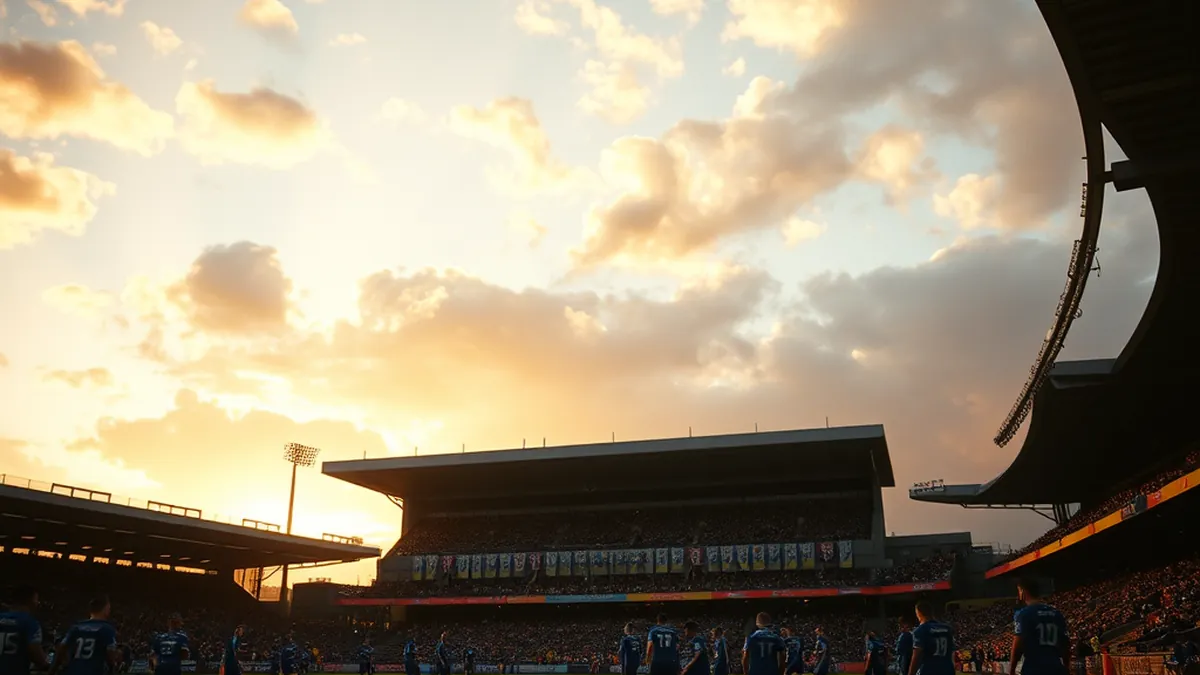
The new stand will adopt a ring shape reminiscent of Marseille's Stade Vélodrome. With 40,116 covered seats, including a spionkop holding 12,000 spectators and 4,000 VIP seats, it will be the country's biggest capacity, only the King Boudewijnstadium still exceeds it. Fans will sit close to the pitch as they do now, but 40 skyboxes and 229 wheelchair spots add extra comfort. Additionally, 4,400 bike racks, 3,600 car spaces and over 7,000 remote parking spots will be provided.
What makes the stadium unique?
Engineers from across Europe will study the special roof structure. The roof edge stays low to preserve the view for nearby residents, and for the first time in Belgium a tension ring will be installed on the interior and a compression ring on the exterior. The entire roof is manufactured in a factory, then transported in one piece to the site and lifted in a single operation - a logistical feat the club calls a "huzarenstuk". Prefabricated components are also used for the rest of the build, speeding up construction and reducing disruption.
Why does this matter for Club Brugge?
The current Jan Breydelstadium will remain in use during construction, so the team loses no home advantage. With a capacity of over 40,000 seats, the club can generate more revenue from ticket sales, catering (25 points) and merchandise. The project must eventually recoup the €90 million outlay, especially now that Club Brugge sits first in the Jupiler Pro League (1st, 57 pts, 28W‑4D‑8L) and leads Union St‑Gilloise by 4 points. This season the side has already scored 91 goals and boasts a +46 goal difference, boosting its commercial appeal.
When will construction start?
The plans are ready and Alheembouw, the contractor behind the Westkapelle basecamp, has been awarded the job. Bids for building materials will be collected over the next few months; once received, production can begin in 2026. If everything stays on schedule, Club Brugge will move into the new stadium for the 2028‑2029 campaign, after which the old Jan Breydelstadium will be gradually demolished.
How does this affect supporters?
A blue zone with a one‑hour time limit will be introduced around the Olympiapark, limiting street parking. Fans will have 110 bus parking spots for home supporters and 40 for away fans, plus an extensive bike‑rack network. The venue will be a pure football arena: no concerts, no shopping centre - just the game and the experience that defines the club.